In regions where earthquakes are a frequent occurrence, it is crucial to implement measures to ensure the structural integrity of buildings and infrastructure. One of the most effective ways to protect against seismic forces is by installing seismic bracing systems. These systems, also known as seismic braces, help to reduce the impact of ground motion during an earthquake, thereby preventing structural damage and potential collapse.
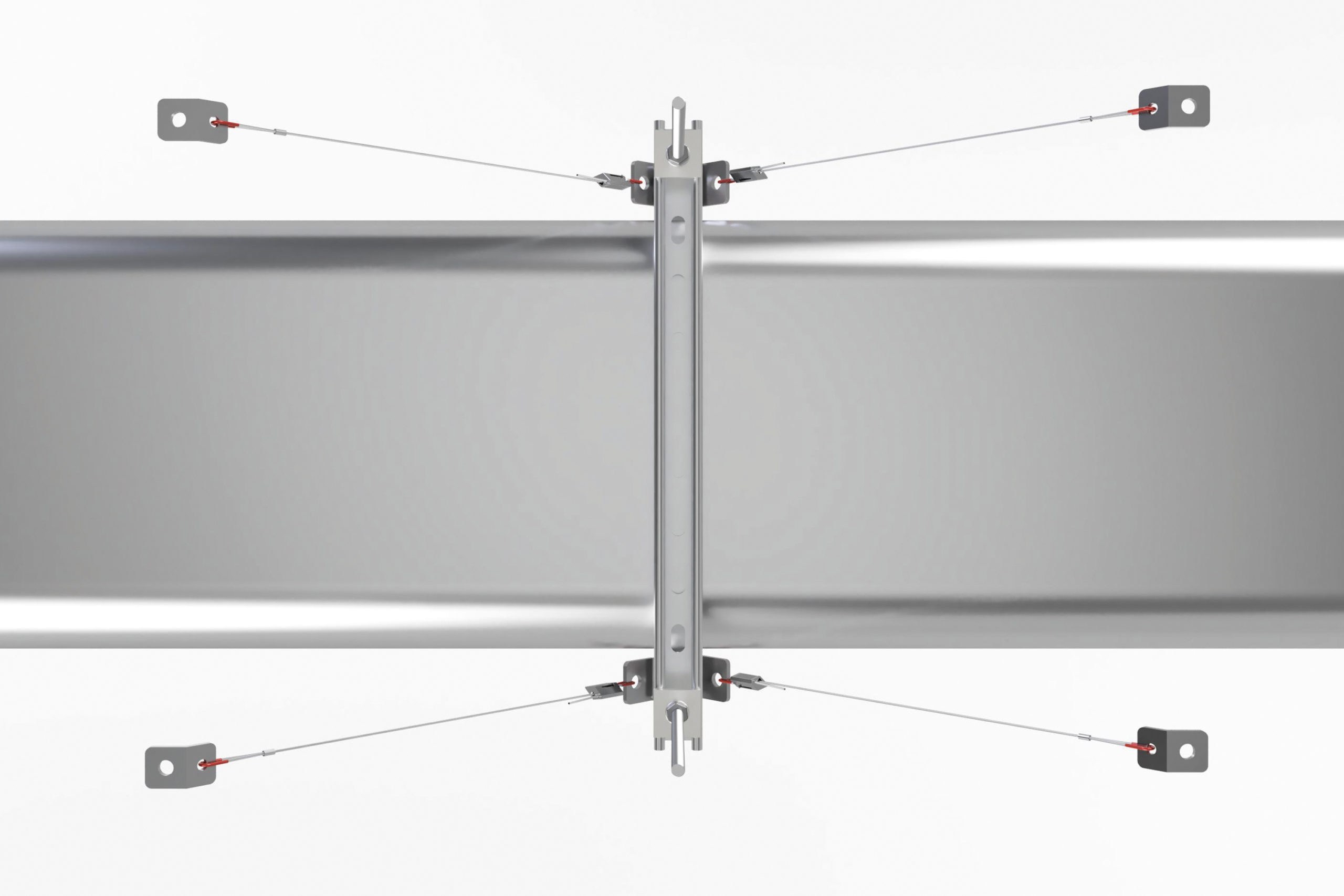
Seismic bracing consists of various components that work together to provide stability and resistance to seismic forces. The primary purpose of seismic bracing is to limit the lateral movement of a building or structure during an earthquake. By distributing the seismic forces evenly throughout the structure, seismic braces help to reduce the strain on critical components and connections, such as beams, columns, and joints.
There are several types of seismic braces, each with its own unique features and advantages. One common type of seismic brace is a diagonal brace, which is typically installed at an angle to provide lateral support to the structure. Diagonal braces are often made of steel or other high-strength materials and are designed to withstand the forces exerted during an earthquake.
Another type of seismic brace is a concentric brace, which consists of a steel tube or pipe that is placed in the center of a column or beam. Concentric braces are effective at absorbing and dissipating seismic forces, while also providing stability and reinforcement to the structure. These braces are often used in conjunction with other lateral bracing systems to enhance overall seismic performance.
In addition to diagonal and concentric braces, there are also eccentric braces, which are designed to provide both lateral support and axial stiffness to a structure. Eccentric braces are versatile and can be adapted to various building configurations, making them an ideal choice for retrofitting existing structures for seismic protection.
The installation of seismic braces is a complex and meticulous process that requires careful planning and precise engineering. Before installing seismic braces, engineers must conduct a thorough assessment of the building or structure to determine its seismic vulnerability and identify potential areas of weakness. This information is used to develop a customized bracing system that will effectively strengthen the structure and minimize the risk of damage during an earthquake.
Once the design and engineering work is complete, the installation of seismic braces can begin. This involves attaching the braces to key structural components, such as columns, beams, and joints, using specialized hardware and fasteners. The braces are then tested to ensure they meet the required strength and performance standards before the building is deemed safe for occupancy.
The benefits of seismic bracing are numerous and far-reaching. By reducing the lateral movement of a structure during an earthquake, seismic braces help to protect both the building and its occupants from harm. In addition to enhancing safety, seismic bracing can also extend the lifespan of a structure by reducing wear and tear on critical components and connections.
Furthermore, seismic bracing can lower insurance premiums for building owners, as it demonstrates a commitment to safety and risk mitigation. Many insurance companies offer discounts or incentives for buildings that are equipped with seismic bracing systems, making it a wise investment for property owners in earthquake-prone areas.
Overall, seismic bracing is a critical component of earthquake-resistant design and construction. By incorporating seismic braces into the structural system of a building, engineers can significantly improve its ability to withstand seismic forces and minimize the risk of damage and collapse. As the threat of earthquakes continues to pose a significant risk to communities around the world, the importance of seismic bracing cannot be overstated. It is a vital tool in protecting lives, property, and infrastructure from the devastating impacts of seismic activity.