Seismic braces, also known as seismic restraint systems or seismic restraints, play a critical role in ensuring the safety and stability of buildings during earthquakes. These devices are designed to protect structures from the destructive forces of seismic activity by reducing the risk of collapse or damage. In this article, we will explore the importance of seismic braces and why they are essential for building structures in earthquake-prone areas.
What is a seismic brace?
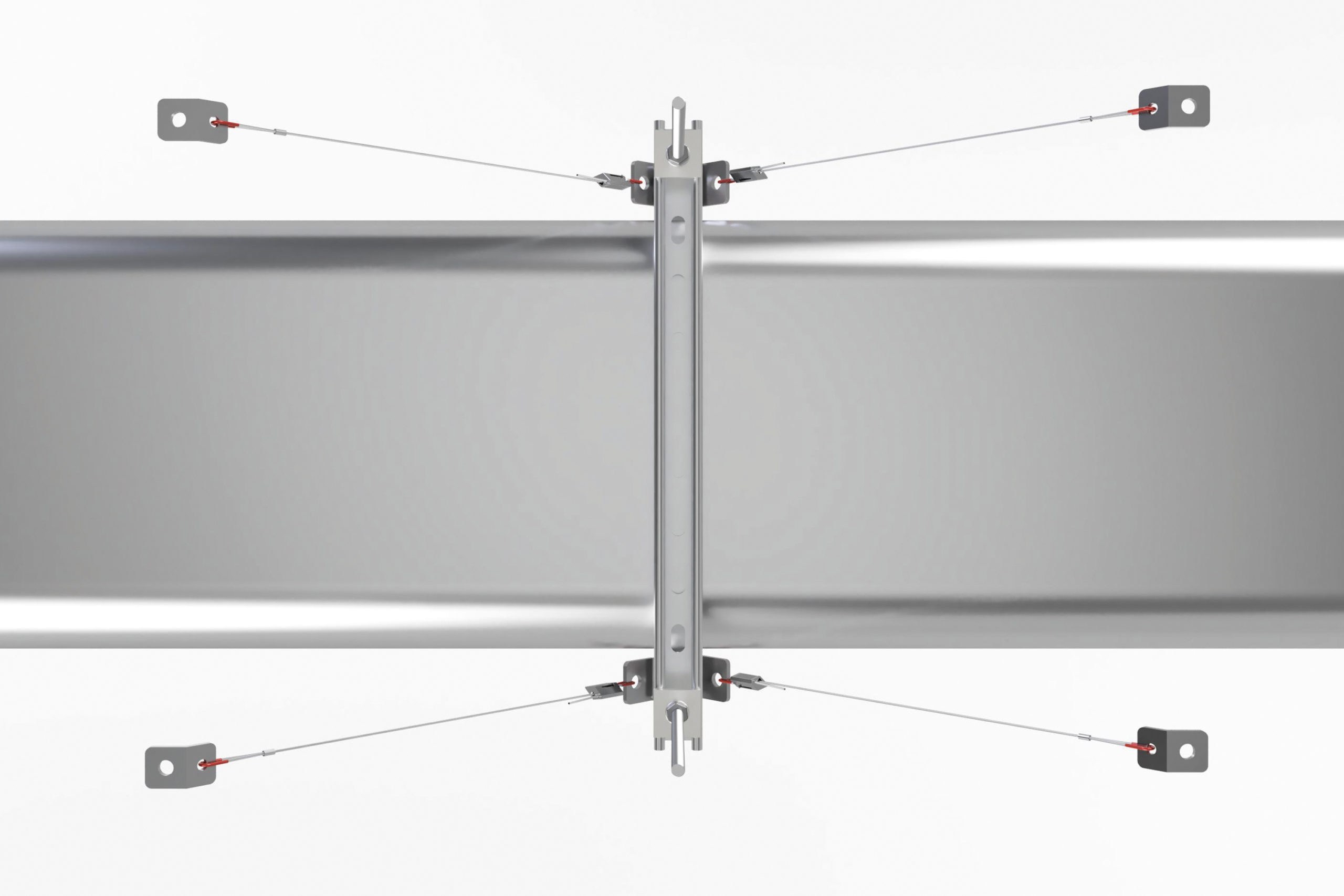
A seismic brace is a structural element that is installed in a building to provide lateral support and resistance to seismic forces. These braces are typically made of steel or other high-strength materials and are strategically placed throughout a building to help distribute and dissipate the energy generated by an earthquake. By adding extra support and stability, seismic braces help prevent structural damage and ensure the safety of occupants during a seismic event.
The Role of seismic braces in Earthquake Safety
Earthquakes can cause significant damage to buildings, especially in regions where seismic activity is common. Without proper reinforcement, structures are at risk of collapsing or suffering extensive damage during an earthquake. This is where seismic braces come in. By adding extra support and strength to a building, seismic braces help improve its overall resistance to seismic forces.
During an earthquake, buildings can experience lateral movement and swaying. Seismic braces work to counteract these forces by redirecting energy away from the building’s primary structural elements. This helps reduce the stress on key building components and minimizes the risk of failure or collapse. In essence, seismic braces act as a safety net that helps protect buildings and their occupants during seismic events.
Types of seismic braces
There are several types of seismic braces used in building construction, each with its own unique design and function. Some of the most common types of seismic braces include:
– Buckling-Restrained Braces: These braces are made of steel encased in a concrete-filled tube. They are designed to provide excellent energy dissipation and stability during seismic events.
– Chevron Braces: Chevron braces consist of a series of V-shaped steel plates welded together to form a rigid frame. These braces are known for their strength and durability.
– X-Braces: X-braces are comprised of diagonal steel members that form an X-shaped pattern. These braces help improve the lateral stability of a building and reduce the risk of seismic damage.
The type of seismic brace used in a building depends on factors such as the building’s size, layout, and structural requirements. Engineers carefully select and design seismic braces to ensure they provide the necessary support and protection during an earthquake.
Benefits of Seismic Braces
The importance of seismic braces cannot be overstated when it comes to earthquake safety. By installing seismic braces in a building, property owners and occupants can enjoy several benefits, including:
– Enhanced Structural Strength: Seismic braces help strengthen a building’s structural system, making it more resilient to seismic forces.
– Increased Safety: Seismic braces improve a building’s ability to withstand earthquakes, reducing the risk of collapse and enhancing occupant safety.
– Building Code Compliance: Many regions with high seismic activity require buildings to meet specific seismic design standards. By installing seismic braces, property owners can ensure their buildings comply with local building codes.
– Cost Savings: While the initial cost of installing seismic braces may be significant, the long-term benefits far outweigh the expenses. By preventing structural damage and minimizing repair costs, seismic braces can save property owners money in the event of an earthquake.
In Conclusion
Seismic braces are essential components of building structures in earthquake-prone areas. By providing extra support and stability, these braces help protect buildings and their occupants from the destructive forces of seismic activity. Whether it’s a commercial high-rise or a residential home, installing seismic braces can make a significant difference in ensuring the safety and durability of a building during earthquakes. So, if you live in a seismically active region, consider investing in seismic braces to reinforce your building’s structural integrity and enhance its overall safety.